The lights were low, the cocktails were flowing, and the annual White House Correspondents’ Dinner (WHCD) was in full swing. Attendees—including A-list celebrities, politicians, and top-tier journalists—were settled into their seats at the Washington Hilton, listening to the evening’s speaker. Then, without warning, a single pop shattered the atmosphere.
Actor Zachary Levi, best known for his roles in Chuck and Shazam!, was seated just 15 feet from the stage when it happened. What followed was a 90-second descent into chaos—confusion, stampeding, and whispered fears of another mass shooting. Levi, who had arrived with his wife and friends, later gave a raw, firsthand account of what unfolded inside the ballroom that night—an account that offers rare insight into how quickly a celebratory event can turn threatening.
This is the story of that moment, told through Levi’s eyes, backed by corroborating reports and event footage.
The Moment the Shot Rang Out
Levi described the initial sound as “a firecracker—something small, but too sharp to ignore.”
He wasn’t alone. Several guests in the ballroom confirmed hearing one distinct noise, not a burst of gunfire. But in today’s climate, where mass shootings have become tragically familiar, no one took chances.
“I saw someone near the back duck,” Levi said in an interview shortly after. “Then three others went under their tables. That’s when I knew—this wasn’t a drill.”
The reaction was near-instantaneous. Waiters froze. Conversations stopped. The comedian on stage paused mid-joke. Then came the movement—people rising, chairs scraping, voices whispering, “Gun! Gun!”
Levi, seated at Table 17 near the stage, didn’t immediately bolt. Instead, he looked for cues. He scanned the Secret Service agents near the stage. One had his hand on his sidearm. Another was whispering into his sleeve.
“That’s when the adrenaline hit,” he admitted. “I grabbed my wife’s arm and said, ‘We need to go—now.’”
Inside the Stampede: Panic Without a Clear Threat
One of the most jarring aspects of the incident, as Levi recounted, was the lack of clear information. There were no announcements. No evacuation instructions. Just rising panic and the assumption that danger was imminent.
Guests began filing toward the exits, but the path wasn’t orderly. Some tried to retrieve coats. Others stopped to gather purses or phones. A few hesitated, unsure whether they were overreacting.
“I saw a woman in heels trying to untangle her clutch from her chair,” Levi recalled. “I literally had to say, ‘Lady, drop it—we’re not dying over a handbag.’”
Security personnel eventually directed people into side rooms and corridors, but the process was chaotic. Levi said he helped guide a group of elderly guests toward a service entrance after noticing they were being pushed aside in the rush.
“There was no hostility, but there was desperation,” he said. “People weren’t thinking—they were reacting.”
Notably, the actual cause of the sound—a malfunctioning mic stand that sparked and cracked loudly when it fell—wasn’t confirmed until over 20 minutes later. By then, hundreds had evacuated or were huddled in adjacent ballrooms.
Levi’s Role: From Actor to Calm Presence
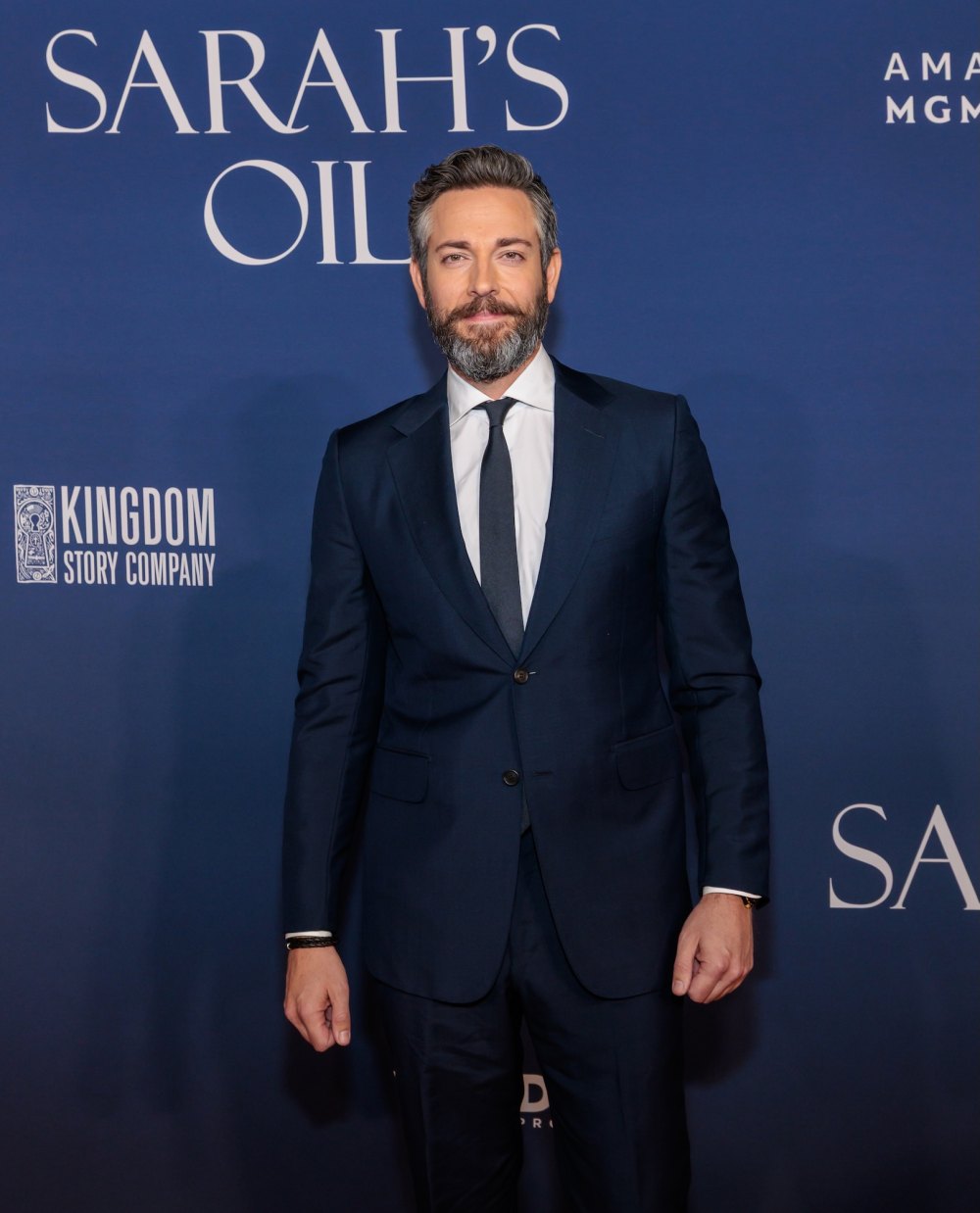
While some attendees criticized the lack of protocol, others praised spontaneous acts of leadership. Levi emerged as one such figure—not because he sought attention, but because his composure helped steady a few panicked individuals.
“I’m not a hero,” he said later. “I just try to stay level-headed. My dad was in law enforcement—he taught me that in a crisis, someone has to stay calm, or everyone loses it.”
Multiple guests confirmed Levi’s actions. One journalist tweeted: Zachary Levi helped coordinate a group evacuation through the kitchen. Kept people quiet and moving. Dude’s a real-life Shazam.
Behind the scenes, event staff struggled with communication. The public address system failed. Phones were spotty due to network congestion. Many were unaware that law enforcement had already isolated the source of the noise and declared the scene safe.
It took nearly 45 minutes to fully restore order. The dinner was ultimately canceled.
Why This Incident Matters Beyond the Headlines
The WHCD shooting scare wasn’t a mass casualty event. But it exposed critical vulnerabilities in high-profile live gatherings—especially those involving public figures.
Levi’s account highlights several real-world issues:
- Overreliance on assumption over information: In the absence of clear messaging, guests defaulted to worst-case scenarios.
- Lack of visible crisis leadership: While security was present, their actions weren’t transparent to attendees.
- Inadequate emergency communication systems: No public address, no automated alerts, no visible command structure.
- Emotional toll on attendees: Even without physical harm, many reported lingering anxiety, with some seeking counseling afterward.
Levi himself admitted to experiencing flashbacks. “I keep hearing that pop,” he said. “Even now, when a door slams too hard, I flinch.”
This incident echoes similar false alarms—like the 2018 Hollywood Roosevelt Hotel panic, triggered by a film crew’s prop gun, or the 2021 breakdown at a Taylor Swift fan event due to overcrowding. All underscore a growing reality: in an age of hyper-vigilance, the line between real threat and false alarm is dangerously thin.
The Aftermath: Calls for Safer Event Protocols
In the days following the scare, Levi joined a growing chorus of voices calling for reform in how high-risk events handle crisis communication.
He advocated for:
- Real-time alert systems: Push notifications to guests’ phones via event apps.
- Visible emergency coordinators: Staff in marked vests trained in crowd management.
- Pre-event safety briefings: Short videos or announcements outlining evacuation routes.
- Simulated drills for staff: Especially in venues that host political or celebrity-heavy events.
“The WHCD is a big deal, but it’s not a bunker,” Levi said. “We need smarter protocols—not just for the A-listers, but for the waiters, the drivers, the interns in the back row.”
The White House Correspondents’ Association (WHCA) later released a statement acknowledging the shortcomings and promised “a full review” of safety procedures. No major changes have been publicly implemented as of yet.
Broader Implications for Celebrity Public Appearances
Levi’s experience also raises questions about the cost of visibility in an unstable world.
Celebrities are increasingly aware that their presence at public events can turn them into targets—intentional or otherwise. After the 2022 attack on Paul Pelosi, many stars quietly began using decoy vehicles and unmarked entries at events.
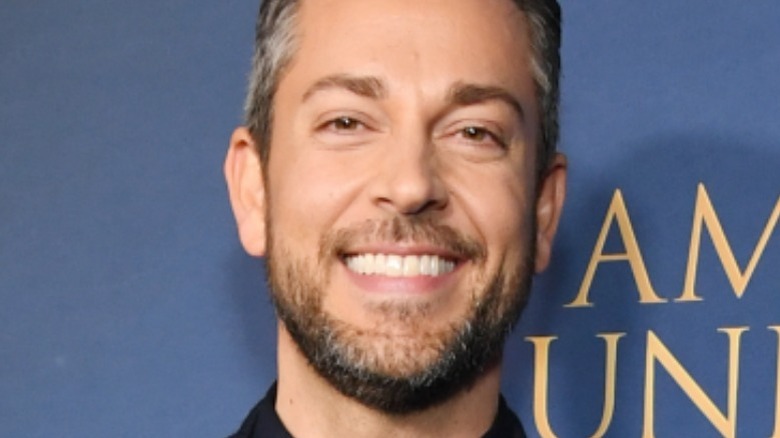
Levi admitted he’s now more cautious. “I used to love walking the red carpet,” he said. “Now I scan the rooftops. That’s not normal. That’s not healthy.”
Yet he stops short of withdrawing. “If we let fear win, they win,” he said. “But we also can’t be naive. We need systems that protect everyone—not just the people on stage.”
What Attendees Can Do: Practical Safety Tips
While not every guest can be a trained responder, Levi’s experience offers practical takeaways for anyone attending large gatherings:
- Note your nearest exits – Don’t wait until panic sets in. Identify two escape routes upon arrival.
- Keep essentials accessible – Phones, ID, and medication should be easy to grab.
- Stay aware of surroundings – Avoid being fully absorbed in conversation or phone use.
- Follow quiet leadership – If someone calm is giving directions, listen. Chaos spreads; calm can too.
- Avoid assumptions – A loud noise isn’t always gunfire. But be ready to move if needed.
- Check in post-event – Trauma isn’t just physical. Debrief with someone you trust.
Levi emphasized that surviving a scare isn’t just about physical escape—it’s about emotional recovery, too. “We don’t talk enough about the mental toll,” he said. “You walk out fine, but something inside shifts.”
Conclusion: A Wake-Up Call Disguised as a False Alarm
Zachary Levi didn’t set out to become a witness to crisis. But his detailed account of the commotion inside the ballroom during the WHCD shooting scare offers something rare: an honest, unfiltered look at how people behave when danger seems real.
The incident may have been triggered by a fallen mic stand. But the fear was genuine. The response was flawed. And the lessons are urgent.
For event planners, security teams, and public figures alike, Levi’s story is a reminder: preparation isn’t paranoia. It’s responsibility.
As the lights come back on and the music resumes, the real work begins—ensuring that next time, the response is as swift and clear as the threat.
FAQ
What caused the noise during the WHCD event? The sound was caused by a malfunctioning microphone stand that sparked and cracked loudly when it fell, mistaken for gunfire.
Was Zachary Levi injured during the incident? No, Zachary Levi was not physically injured. He helped others evacuate and later spoke about the emotional impact.
How did Zachary Levi react when he heard the noise? He initially paused to assess the situation, then quickly guided his wife and others toward safety, helping direct guests to exits.
Were there any official injuries during the WHCD scare? No gunshot injuries occurred. A few minor injuries were reported from the evacuation, including sprains from rushing through tight spaces.
Did the WHCD dinner continue after the incident? No, the event was canceled after the evacuation. Attendees were directed to secure areas and later released.
Has Zachary Levi spoken about the incident publicly? Yes, he gave multiple interviews and shared reflections on social media about the fear, confusion, and need for better event safety.
What changes have been made to WHCD safety protocols? The WHCA announced a review of safety procedures, but no major public changes have been confirmed as of now.
FAQ
What should you look for in Zachary Levi Describes Chaos During WHCD Shooting? Focus on relevance, practical value, and how well the solution matches real user intent.
Is Zachary Levi Describes Chaos During WHCD Shooting suitable for beginners? That depends on the workflow, but a clear step-by-step approach usually makes it easier to start.
How do you compare options around Zachary Levi Describes Chaos During WHCD Shooting? Compare features, trust signals, limitations, pricing, and ease of implementation.
What mistakes should you avoid? Avoid generic choices, weak validation, and decisions based only on marketing claims.
What is the next best step? Shortlist the most relevant options, validate them quickly, and refine from real-world results.